Audio-Only vs Camera Smart Glasses: Which Should Your Channel Stock?
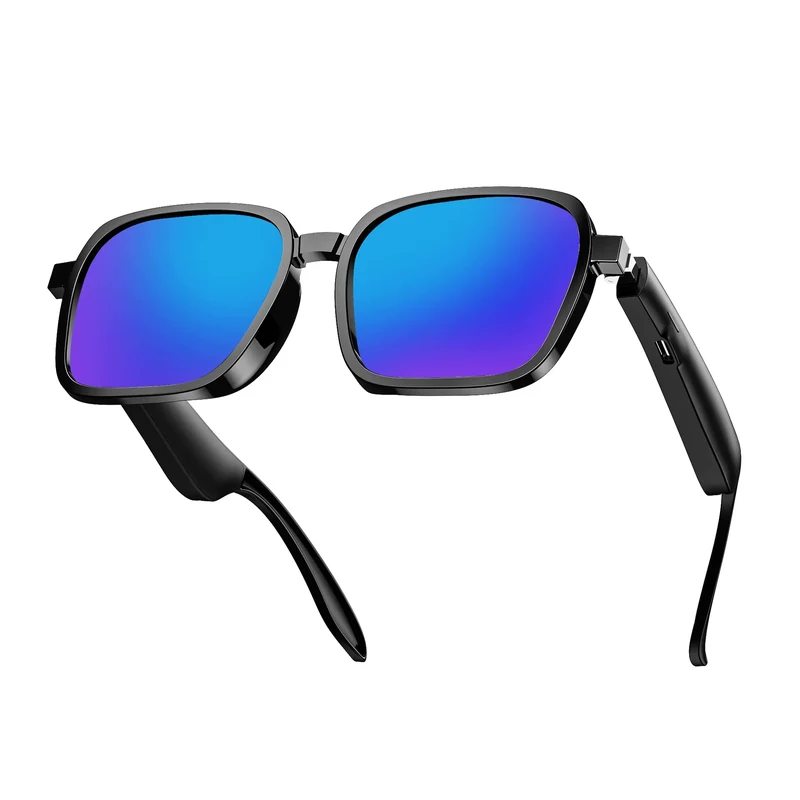
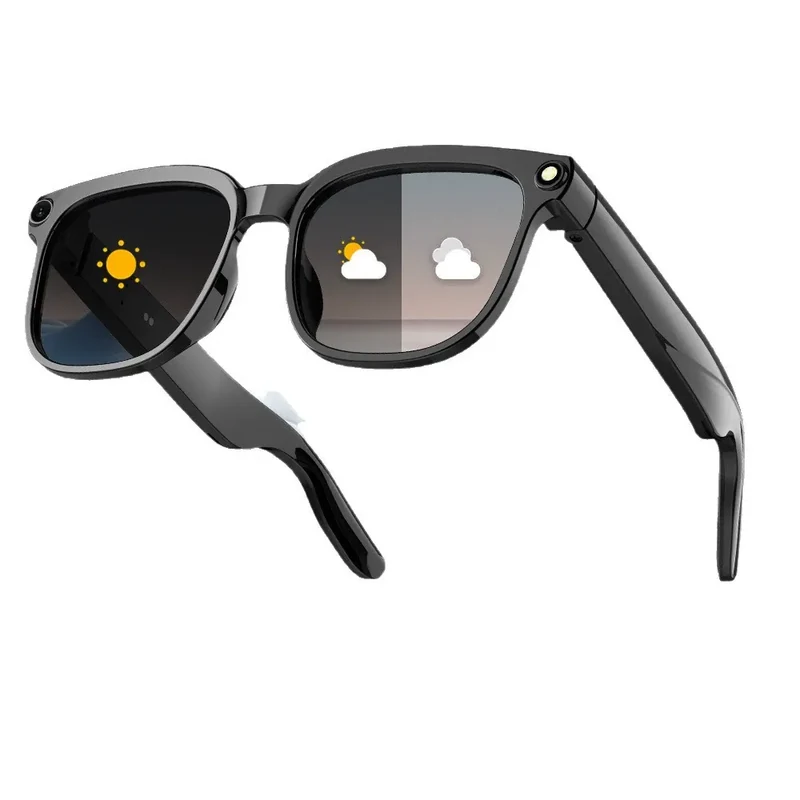
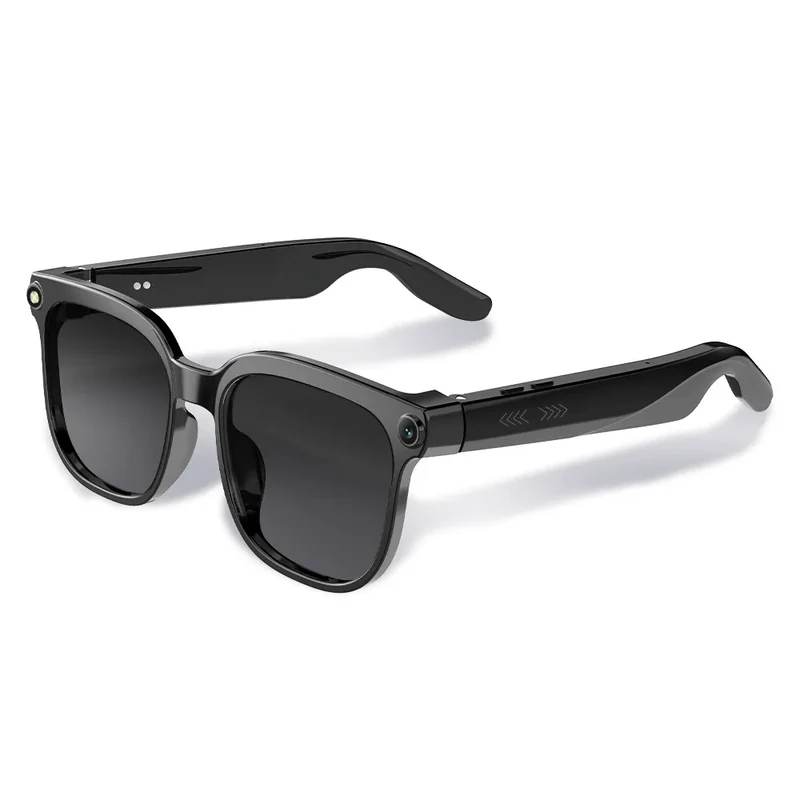
Audio-only smart glasses behave like a premium Bluetooth headset with a frame around it: no camera means no image-privacy exposure, a simpler compliance file and a bill of materials close to an earbud. Camera glasses add a sensor, a lens stack, storage and a recording indicator, which raises unit cost and brings image-privacy rules, retail questions and a higher return risk into the sale. For a first private-label line, an audio frame is the lower-risk entry; camera frames earn their place when the channel can support the product story and the compliance work that comes with it.
Key takeaways
- The two formats diverge on one component — the camera — but that component pulls in storage, thermal design, privacy rules and a different retail conversation.
- Audio frames are priced close to a Bluetooth headset and compete with one on the shelf.
- Camera frames compete with action cameras and phones, which sets a higher expectation of image quality.
- Image-privacy rules differ by market and are not solved by a recording LED alone.
- Stock the format your channel can explain at the counter, not the one with the longer feature list.
What is actually shared
Both formats use the same battery-in-temple architecture, the same Bluetooth audio path and much of the same PCBA. That is why suppliers can offer both on one frame platform, and why buyers assume the step from one to the other is small.
The shared parts end at the camera. A camera frame needs a sensor, a lens stack, an image signal processor path, storage, a recording indicator and thermal headroom. Each of those adds cost, volume and a compliance obligation that an audio frame never touches.
Side-by-side comparison
| Dimension | Audio-only frame | Camera frame |
|---|---|---|
| Core function | Open-ear audio, calls, voice assistant | Audio plus photo and video capture |
| Bill of materials | Close to a premium Bluetooth headset | Adds sensor, lens, storage, ISP, indicator |
| Battery pressure | Moderate; audio path only | High; recording draws far more current |
| Privacy exposure | Minimal — microphone only | Image capture, recording indicators, market-specific rules |
| Return risk | Fit, audio leakage, pairing | Adds image quality, storage, heat, file transfer |
| Retail conversation | "Headphones you can wear all day" | "A camera you wear" — needs a clear use case |
| Typical channel | Telco, travel retail, gift, audio accessory | Tech retail, creator and travel niches, specialty |
| Differentiation | Fit, comfort, battery, frame design | Sensor quality, stabilisation, app, storage |
The compliance difference that buyers underestimate
An audio frame raises two regulatory topics: radio approval for the Bluetooth module and, where applicable, exposure limits. Both are well-trodden and the file is usually shared across a product family.
A camera frame adds image capture, and image capture is regulated unevenly. Some markets require a visible recording indicator; some restrict recording in public spaces; some impose duties on the buyer or retailer to inform; and platform rules for retail listings may require the indicator to be described explicitly. A recording LED satisfies part of the question and none of the disclosure.
Before committing to a camera line, ask which markets the item is intended for and what the supplier's file covers. A supplier who says "it's CE, so it's fine everywhere" is describing radio approval, not image-privacy obligations.
Where each format earns its price
Audio frames compete directly with true wireless earbuds and open-ear headsets. The comparison a customer makes is comfort and situational awareness versus sound isolation. That is a conversation a shop assistant can have in thirty seconds, which is why the format sells well in telco and travel retail.
Camera frames compete with action cameras and with the phone already in the customer's pocket. The comparison is harder: the phone takes better pictures, so the camera frame has to win on immediacy — capture without taking anything out. That story works in creator, travel and field-inspection niches, and it stalls in general retail where the price gap to a phone is not justified by convenience alone.
Battery and thermal consequences
Because both formats share a temple, adding a camera forces a trade somewhere. The usual outcomes are:
- A shorter audio runtime for the same cell, because the camera path and its processor draw current even when idle.
- A thicker temple to fit the sensor and heat spread, which changes the fit and the visual bulk.
- A reduced recording time, often well below the audio figure, and a frame that warms during long capture.
A camera frame that claims both a slim temple and long recording time is worth testing physically. Heat is the constraint that datasheets rarely quantify.
Building a line rather than picking a winner
Most distributors do not need to choose one format. The practical structure is a lead SKU plus a halo:
- Lead SKU — an audio frame in two or three frame colours, priced against Bluetooth headsets, with a simple retail box. This is the volume item.
- Halo SKU — one camera frame at a higher price, stocked in smaller depth, used to demonstrate the category and to serve the customers who ask for the feature.
- Optional third — a translation-oriented frame, if your market has a clear use case such as travel or cross-border work.
This structure keeps the volume predictable while still offering the feature that makes the category interesting. It also limits exposure: if camera returns run high in a market, the halo SKU absorbs the problem without dragging the whole line.
Questions to settle before ordering either
- Which markets, and therefore which radio approvals, does the SKU need?
- For camera frames, what does the supplier's file say about recording indicators and image privacy?
- At what resolution and frame rate is video captured, and with what stabilisation?
- How is footage transferred — app, cable, removable storage — and does that app have a support path?
- What happens to the audio runtime when the camera is present but idle?
- Can both formats share a frame colour and packaging system, to reduce SKU count?
This guide compares product formats and the commercial and compliance questions attached to each. It does not publish sales data, market forecasts or test results for specific SKUs. Regulatory obligations for image capture differ by market and change over time — confirm the current requirements for your destination markets and the scope of the supplier's certification file before ordering.
Frequently asked questions
Is a camera frame simply an audio frame with a camera added?
On paper the difference looks small; in production it is not. The camera adds a sensor, lens stack, image processing path, storage and a recording indicator, all inside a temple that was already tight. That changes the thermal design, the battery budget and the compliance file, even when the frame shell is shared.
Which format has a lower return rate?
Audio frames usually produce fewer returns, because the failure modes — fit, pairing, charging — are familiar and easy to diagnose at the counter. Camera frames add image quality, storage, heat and file transfer to that list, and customers compare the output with their phone, which sets a high bar. Treat the camera format as the one that needs better retail support.
Do I need separate certification for a camera model?
You need the same radio approval plus whatever image-capture obligations your market imposes. Those are not covered by a radio certificate. Ask the supplier what the file contains and confirm the destination-market requirements independently; a recording indicator satisfies some rules and none of the disclosure duties.
Can I sell both from one packaging system?
Often yes, and it is worth requesting. Sharing carton dimensions, accessory sets and box artwork across an audio SKU and a camera SKU reduces print minimums and simplifies your warehouse. Ask early, because packaging is usually tooled after the product is fixed.
Which format suits a first private-label line?
Audio. The bill of materials is closer to a familiar product, the compliance path is shorter, and the retail explanation is one sentence. Add a camera model once the audio SKU has proven the frame, the fit and the packaging in your market.
Ready to shortlist suppliers?
Send your SKU list, target quantities and destination markets. We confirm current specifications, MOQ tiers, certification files and carton data before any order.