How to Choose an AI Glasses Supplier for Wholesale: A Buyer's Checklist
Choosing a wholesale AI glasses supplier means verifying five things before you compare prices: the frame format (audio-only, camera or heads-up display), the chipset and wireless stack, open-ear audio leakage and real battery life, the compliance file for your destination market, and who controls firmware, tooling, MOQ tiers and after-sales. This guide explains how to test each one, which specifications change landed cost, and which documents to request before a sample order.
Key takeaways
- Decide the format first. Audio-only, camera and HUD frames have different bills of materials, return risks and compliance paths.
- Ask who owns the firmware. A third-party app dependency limits how quickly you can fix post-launch bugs.
- Certification is market-specific. A CE declaration does not substitute for FCC or UKCA.
- MOQ is negotiated per configuration, not per supplier: stock colour, logo printing and custom colour sit on different tiers.
- Treat the first tier as a sample run. Validate the hinge, leakage, battery and packaging before scaling.
Start from the use case, not the spec sheet
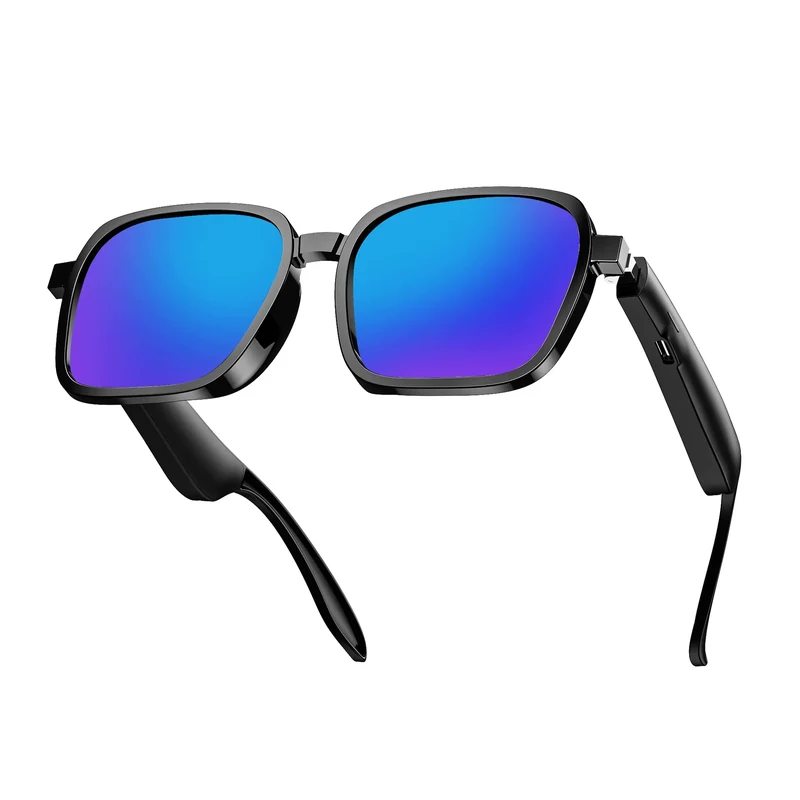
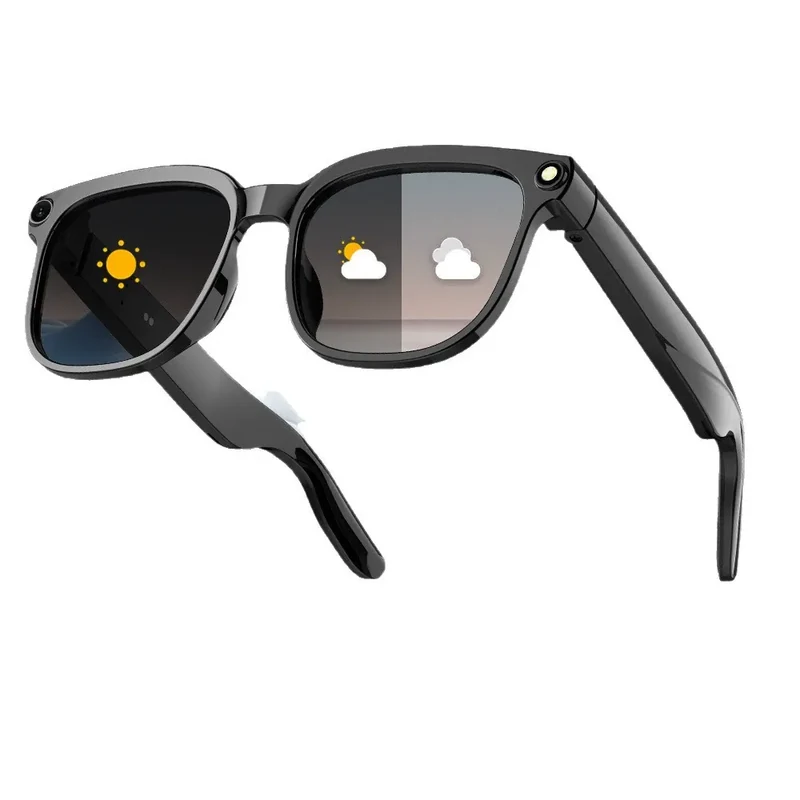
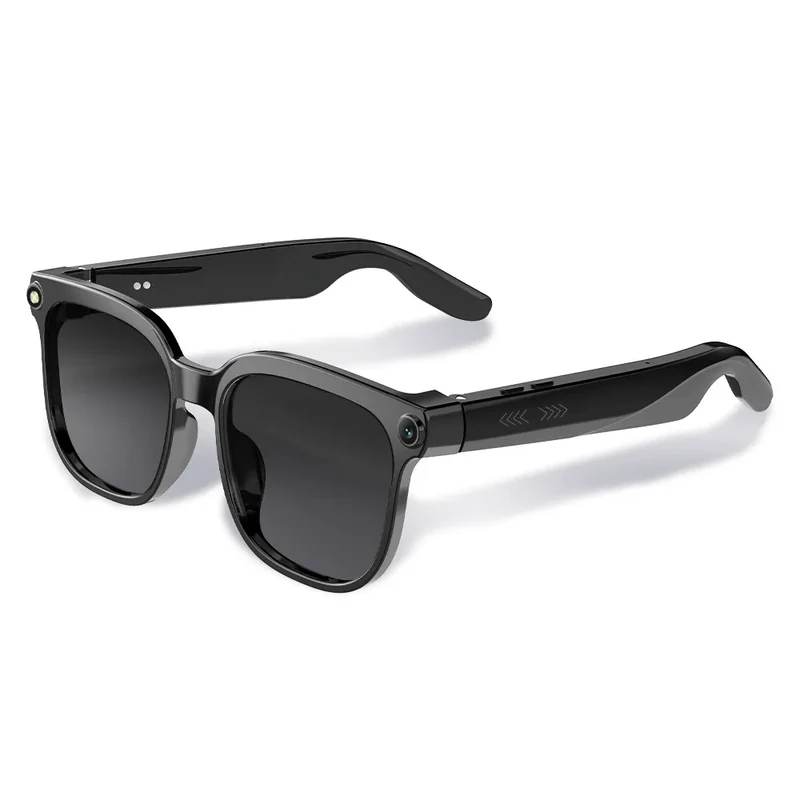
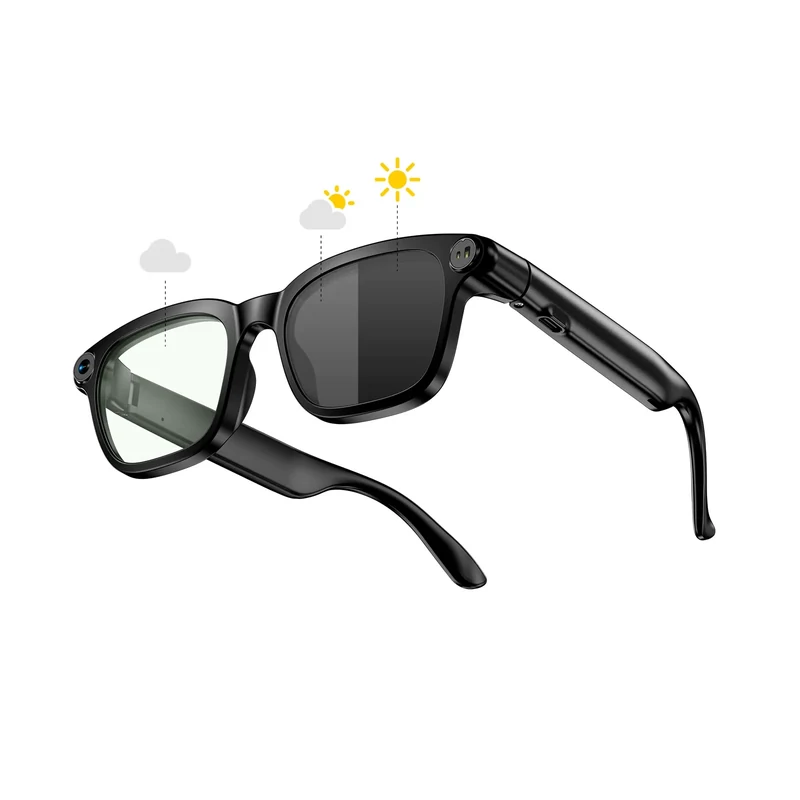
AI glasses is an umbrella term covering three different products: audio-only frames, camera frames and heads-up display (HUD) frames. Each has a different cost structure and a different compliance path. Before comparing quotations, decide which one your channel can actually sell.
- Audio-only frames are the lowest-risk entry. No camera means no image-privacy conversation at retail, and the bill of materials stays close to a premium Bluetooth headset.
- Camera frames carry higher return risk because buyers expect phone-level image quality. Sensor size and stabilisation matter more than megapixel counts.
- HUD frames remain a niche product. Expect shorter battery life, higher unit cost and a narrower buyer pool.
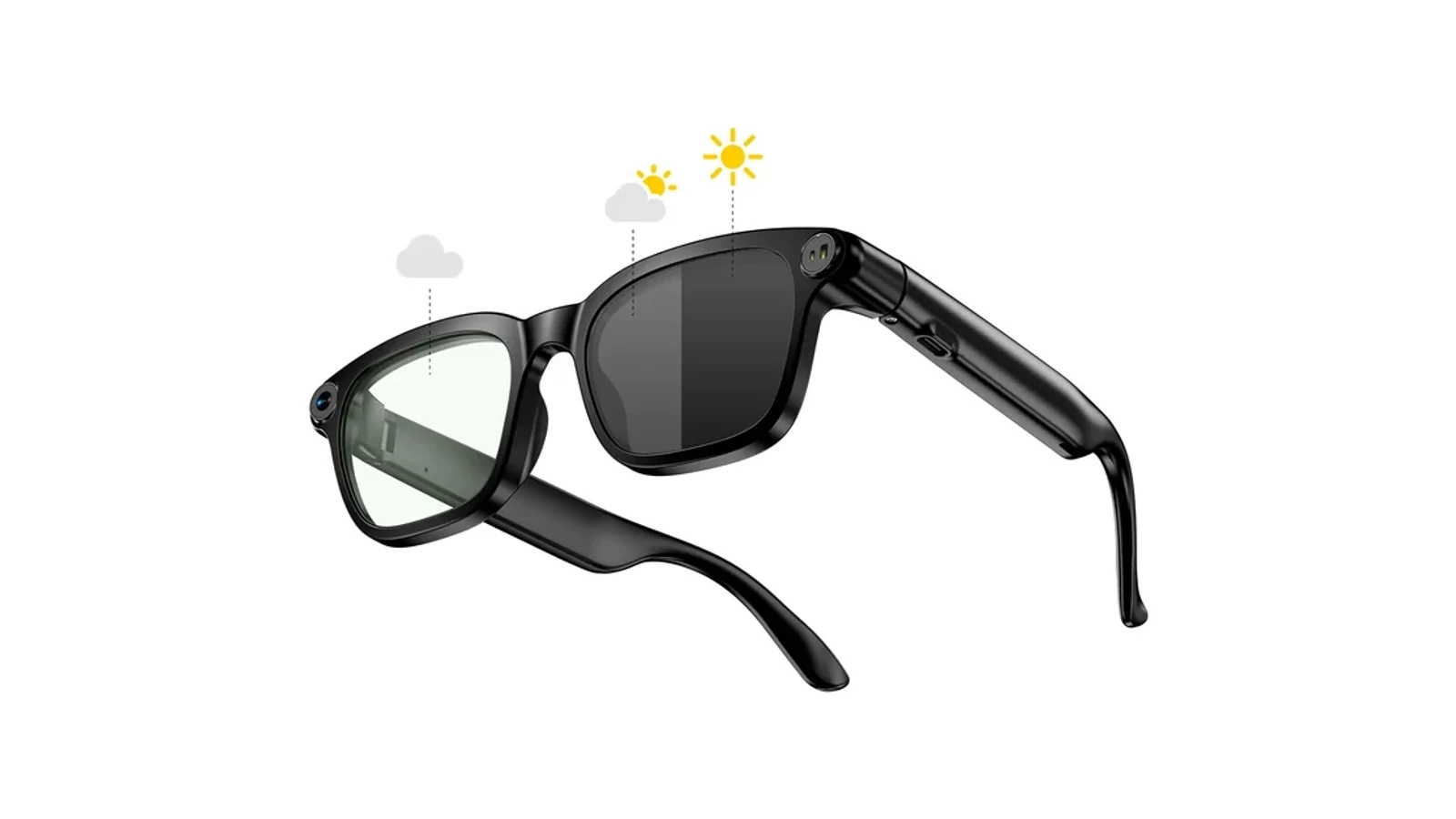
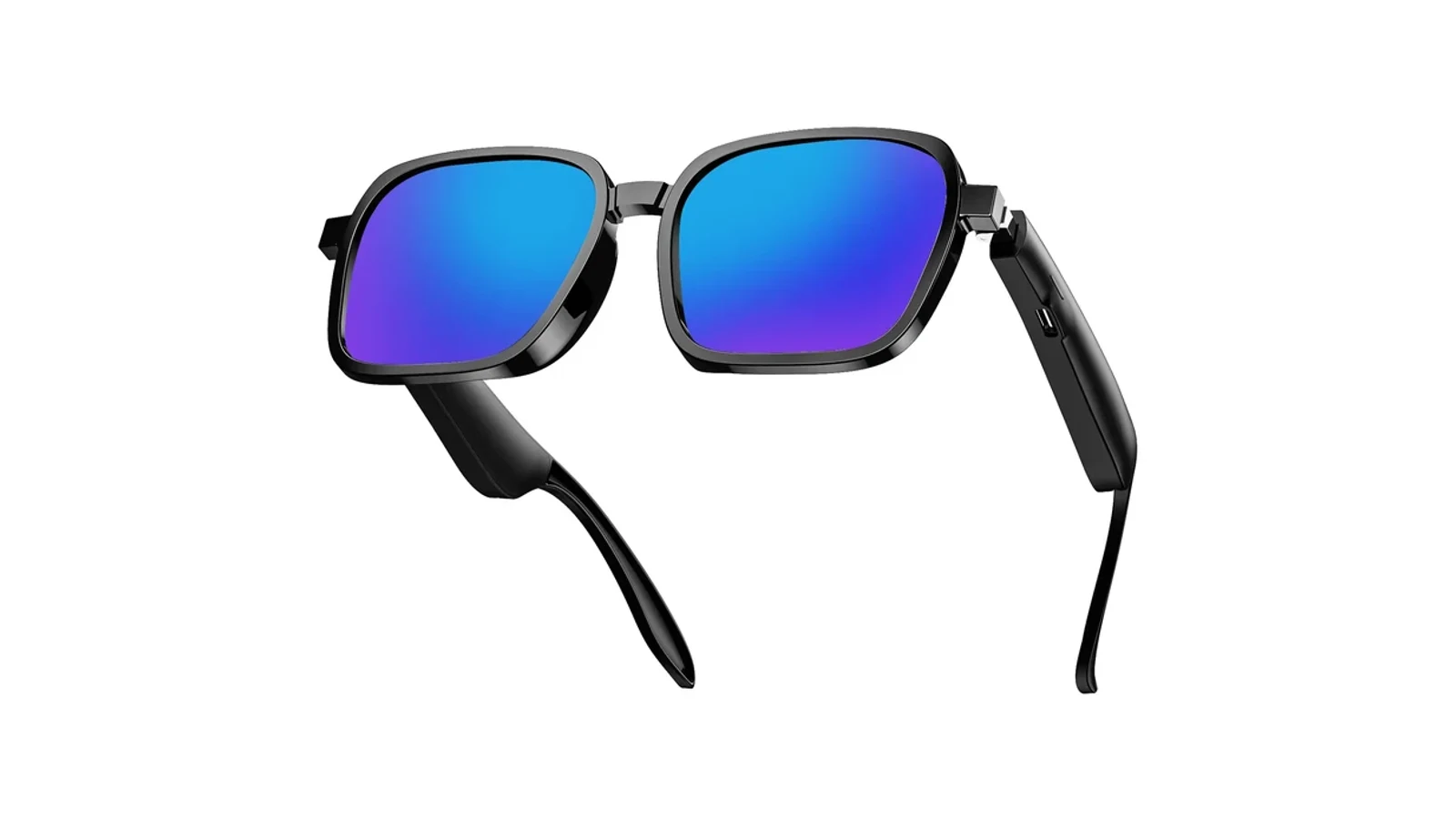
A distributor building a first private-label line is usually better served by one well-executed audio frame than by three half-finished formats. You can see how differently the same category is configured by comparing the Aurora Air audio glasses, the Aurora Vision camera glasses and the Aurora Pro translation glasses in our smart glasses category.
| Format | Main features | Advantages | Limitations | Best for |
|---|---|---|---|---|
| Audio-only frames | Open-ear speakers, mic, Bluetooth | Lowest BOM, no camera privacy issues, simpler approvals | No visual feature to market | First private-label line, gift and audio channels |
| Camera frames | Sensor, storage, Wi-Fi transfer | Strong demo value, content-creator appeal | Image-quality expectations, privacy questions, heavier power draw | Creator and lifestyle channels |
| HUD / waveguide frames | Micro-display, waveguide optics | Distinctive, supports captioning and teleprompter use | Higher cost, shorter runtime, narrower demand | Enterprise, translation and specialist buyers |
The four specifications that decide unit economics
1. Frame and hinge construction
TR90 is a nylon-based thermoplastic widely used for spectacle frames because it is light and comparatively cheap to tool. Titanium or stainless hinges add cost but reduce warranty claims on the joint — the most common mechanical failure point in low-cost frames. When you evaluate a sample, open and close the temple repeatedly and check for play in the hinge, then ask the supplier whether a cycle-test report exists for that specific hinge part. A report for a different frame is not evidence for the one you are buying.
2. Audio architecture
Open-ear directional speakers sit near the ear without sealing the ear canal, so the wearer stays aware of surroundings. That is the core selling argument for audio glasses — and also the main complaint source: if the speaker leaks, people nearby hear the audio. "Low leakage" is a marketing phrase unless a test condition is stated. Ask for a leakage measurement at a defined volume and distance, and compare suppliers only under the same condition. Also confirm whether call noise reduction is implemented in the microphone path (often labelled ENC) rather than as active noise cancellation for the wearer; these are different features and are frequently conflated on spec sheets.
3. Battery placement
Most frames place the cell in the temple arm, which constrains capacity and puts heat close to the wearer's head. Cell capacity alone is not comparable across suppliers: amplifier efficiency, speaker design and the wireless stack all change real playback time. Ask for measured runtime at a stated volume and use case (music, calls, recording), the charging method, and the number of charge cycles the cell is rated for. Battery-containing wearables also need a UN 38.3 test summary for air freight — see the UNECE Manual of Tests and Criteria.
4. Certification path
Compliance is not a single certificate. Radio-equipment frames sold in the EU fall under the Radio Equipment Directive 2014/53/EU and RoHS 2011/65/EU; US import normally involves an FCC equipment authorization. Confirm which documents the supplier already holds for the exact model, rather than which ones they can "arrange later". Ingress protection claims should reference the IEC 60529 IP code with a stated level; "waterproof" without a level is not a specification.
Connectivity, chipset and firmware: the questions behind the spec sheet
A spec sheet that lists only "Bluetooth 5.3" tells you little about real behaviour. The Bluetooth SIG specifications define the radio, but product behaviour depends on the chipset, the antenna layout inside the temple and the firmware stack. Ask these four questions:
- Which chipset, and which profiles? Dual-device pairing, latency and future firmware support all depend on it.
- Is the firmware owned by the factory or by a third-party platform? If a bug appears after launch, the answer determines whether it can be fixed at all.
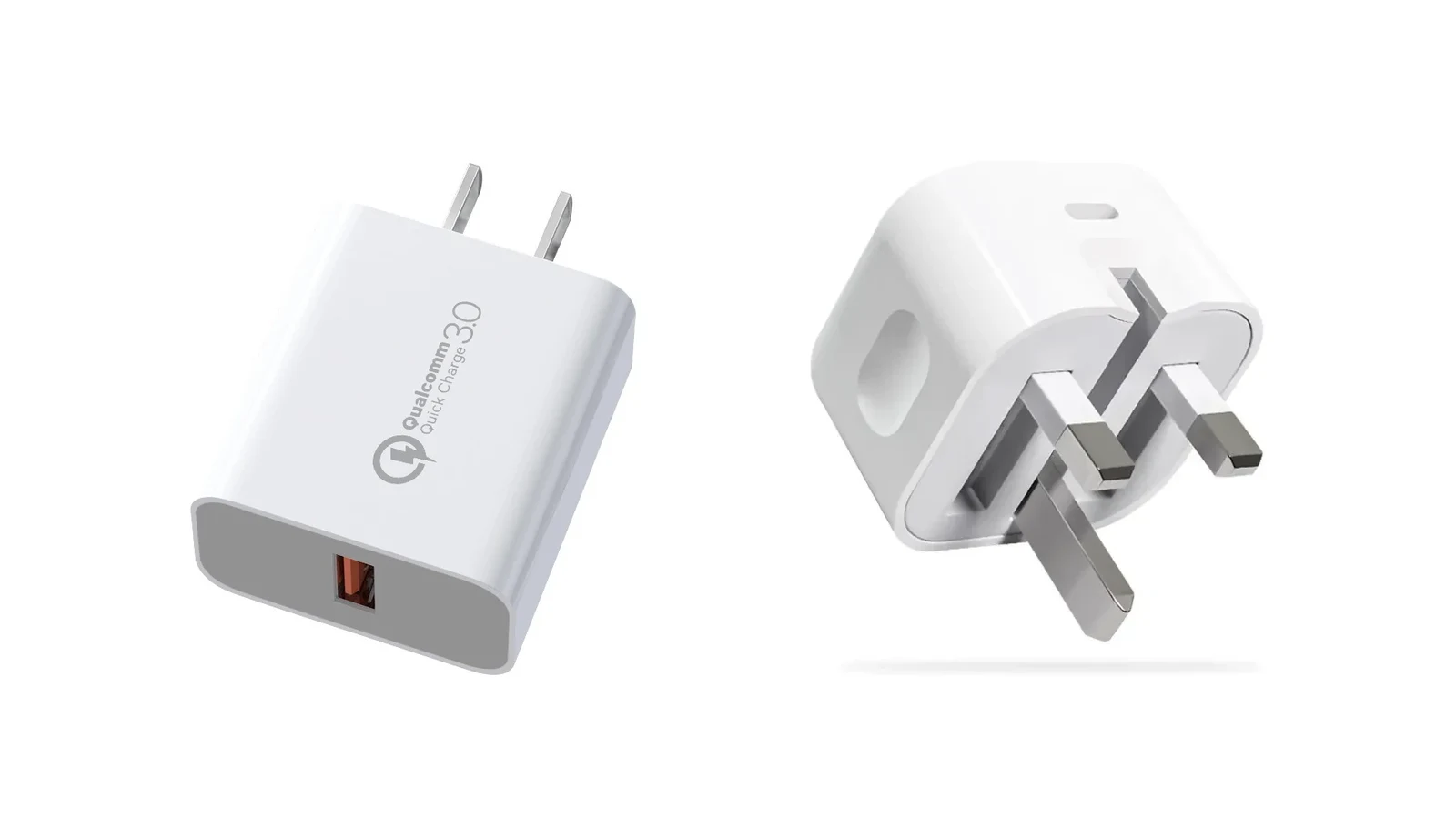
- How are updates delivered? USB-C or over-the-air, and who signs the update file.
- Is there an app, and who maintains it? An app that disappears from an app store turns a hardware product into a returns problem.
Camera and HUD frames add Wi-Fi transfer and, in some cases, live translation. Those features sit closer to the AI recording and translation devices category in terms of software dependency, so apply the same firmware questions there. Audio-centric buyers may also want to compare the underlying driver and tuning approach with dedicated headphones and earbuds.
Questions worth asking before a sample order
| Question | Why it matters |
|---|---|
| Which chipset and Bluetooth version, and which profiles? | Determines latency, dual-device support and firmware roadmap |
| Is the firmware yours or a third party's? | Affects how fast you can fix bugs after launch |
| What is the stated IP rating and its test level? | "Waterproof" without a level is a marketing claim, not a spec |
| What is the measured runtime, at what volume and use case? | Cell capacity alone is not comparable across designs |
| Can the logo be printed on the temple without new tooling? | Decides whether a small private-label run is realistic |
| Which compliance documents exist for this exact model? | Files for a sibling model do not cover your SKU |
| What is the warranty process and who pays return freight? | Defines the real cost of a defect, not just the unit price |
| Is there a cycle-test report for the hinge part used? | The hinge is the most common mechanical failure point |
MOQ, tooling and private-label terms
MOQ is not one number. In this category a common tiering structure is stock colour, then logo printing, then custom colour or custom packaging, with each step raising the minimum. Camera frames usually start higher because the module is sourced per order. Treat the first tier as a sample run, not a profit centre, and get every tier in writing — including what happens to the price if your order lands between two tiers.
- Stock colour MOQ — the minimum is usually per colour, not per order, so mixed-colour orders are frequently misquoted.
- Logo and branding MOQ — confirm the printing method, artwork approval step and any tooling fee; this decides whether private label is viable at your volume.
- Custom colour or packaging — ask for tooling cost, lead time and who owns the tooling. A mould you do not own effectively locks you to that supplier.
- Sample policy — check the sample price and whether it is credited against the first order; it affects the real cost of validating two suppliers.
- Firmware and app branding — confirm whether the companion app can carry your brand, or whether it is a shared white-label app.
- Warranty and spare parts — ask whether spare temples and hinges are available, which determines whether you repair or replace defective units.
Quality control: what to inspect on a sample batch
The cheapest inspection is the one done before cartons are closed. A practical sample check for this product type covers the items below. This is an inspection checklist, not a report of results — we have not published test data for any specific model.
| Inspection item | What to check | Common issues |
|---|---|---|
| Hinge and temple alignment | Repeated open/close, side-to-side play | Loose joint, uneven temples, paint wear at the pivot |
| Audio output and leakage | Playback at a fixed volume, both ears | Channel imbalance, buzzing at high volume, audible leakage |
| Microphone and calls | Call recording in a quiet and a noisy room | ENC claim not matching behaviour, muffled voice |
| Battery and charging | Runtime against the datasheet condition, charge connector fit | Runtime well below claim, loose magnetic contact |
| Wireless pairing | Pair, re-pair, dual-device, reconnect after power cycle | Drops, failure to reconnect, profile mismatch |
| Markings and packaging | Model, IP claim, compliance marks, artwork | Markings that do not match the certificate file |
| Cosmetic finish | Coating, logos, lens tint under even light | Print misalignment, visible glue, scratched lenses |
Compliance checklist by destination market
Use this as a starting checklist, not legal advice. The exact route depends on the radio, camera and battery configuration, and should be confirmed with your importer of record or a qualified conformity assessment body.
- European Union — Radio Equipment Directive, RoHS, CE declaration and importer details: EUR-Lex 2014/53/EU.
- United States — FCC equipment authorization (Certification or SDoC) and FCC ID consistency: FCC Equipment Authorization.
- United Kingdom — UKCA marking route and applicable conformity assessment: GOV.UK UKCA guidance.
- Air freight, all lanes — UN 38.3 test summary for lithium cells plus carrier documentation: UNECE Manual of Tests and Criteria.
- Ingress claims — a stated IP level under the IEC 60529 coding scheme, not an unqualified "waterproof" label.
How a Shenzhen sourcing shortlist is built
A workable supplier shortlist for this category usually follows the same sequence, whether you buy direct or through a sourcing partner:
- Define the format and target landed price before requesting quotations, so suppliers quote the same configuration.
- Request the datasheet and the compliance file together. A supplier who can send a price in an hour but a certificate in three weeks is telling you something about where the product comes from.
- Order samples from at least two suppliers and test them under identical conditions using the checklist above.
- Verify firmware ownership and update path before discussing branding — this is harder to fix after tooling.
- Agree MOQ tiers, sample credit and warranty terms in writing, then place a first order sized to validate the line rather than to fill a container.
- Consolidate with complementary SKUs on the repeat order. Our multi-SKU consolidation guide covers the carton and document planning that keeps a mixed shipment profitable.
What we would not compromise on
Battery cells with a traceable supplier, a hinge that has been cycle-tested as a part, firmware that can be updated over USB-C, and a compliance file that names the exact model you are buying. Everything else — colour, packaging, unit price at higher tiers — can be negotiated.
This guide describes evaluation criteria, industry-common configurations and standard sourcing practice. It does not report product test results, market statistics, customer cases or sales volumes. Specifications shown in our catalog are demo records used to illustrate comparison criteria; confirm current specifications, certifications, MOQ and pricing with the supplier before placing an order. External links point to the standards bodies and regulators that publish the underlying rules; they are not endorsements of any product.
Sources and standards
- Bluetooth SIG — specifications
- European Union — Radio Equipment Directive 2014/53/EU
- European Union — RoHS Directive 2011/65/EU
- US FCC — Equipment Authorization
- GOV.UK — Using the UKCA marking
- UNECE — UN Manual of Tests and Criteria (UN 38.3)
- IEC Webstore — IEC 60529 degrees of protection (IP code)
Frequently Asked Questions
What is the typical MOQ for wholesale AI glasses?
MOQ depends on the model, frame colour, packaging and branding. Stock configurations usually carry lower minimums, while custom colours, logo printing and private-label packaging raise them. Confirm the MOQ for each SKU and each tier in writing before placing an order.
Do AI glasses need FCC authorization for the US?
Frames with Bluetooth or Wi-Fi are radio equipment, so US import normally involves an FCC equipment authorization, either Certification or a Supplier's Declaration of Conformity depending on the device. Ask for the grant or SDoC documentation and check that the FCC ID on the sample matches the paperwork.
Is a CE declaration enough to sell camera glasses in the EU?
No. CE is a marking backed by a declaration, not a single certificate. Radio frames fall under the Radio Equipment Directive and also need RoHS; camera functions add privacy obligations that sit outside the product certificate. Confirm the exact declaration with your importer of record.
Can a logo be printed on the temple without new tooling?
Often yes for pad or laser printing on stock frames, but it depends on the frame material and the factory's process. Ask whether printing is done in-house, what the minimum order is, and whether a sample with your artwork can be approved before mass production.
How should I compare battery life between two suppliers?
Ask both for measured playback time at a stated volume and use case, plus cell capacity and charging method. Cell capacity alone is not comparable because amplifier efficiency, open-ear speaker design and the wireless stack all change real runtime.
What is open-ear audio and why does leakage matter?
Open-ear directional speakers sit near the ear without sealing the canal, so the wearer still hears ambient sound. If the speaker leaks too much, people nearby hear the audio, which is the most common complaint about audio glasses in offices and retail. Ask for a leakage measurement under a defined test condition.
Can AI glasses be consolidated with other product lines in one shipment?
Yes, and it is common. Battery-containing frames add documentation requirements, so group them with other battery goods and keep the commercial invoice, packing list and HS codes consistent. See our multi-SKU consolidation guide for the document checklist.
Are the specifications in this guide verified test results?
No. This guide describes evaluation criteria and industry-common configurations. It does not report product test results, market statistics or customer outcomes. Confirm all specifications, certifications and pricing against the supplier's current datasheet and compliance file.
Conclusion: turn the checklist into a shortlist
The decision is rarely won by the lowest unit price. It is won by the supplier who can name the chipset, show the compliance file for the exact model, prove firmware ownership and quote clear MOQ tiers. Start with two samples, apply the same checklist to both, and only then discuss branding.
Browse the smart glasses category or send a SKU list and target quantity for tiered EXW pricing. Product demos, when available, are shown on each product page.
Ready to shortlist suppliers?
Send your SKU list, target quantities and destination markets. We confirm current specifications, MOQ tiers, certification files and carton data before any order.