Smart Glasses MOQ and Tier Pricing: How a Wholesale Quote Is Built
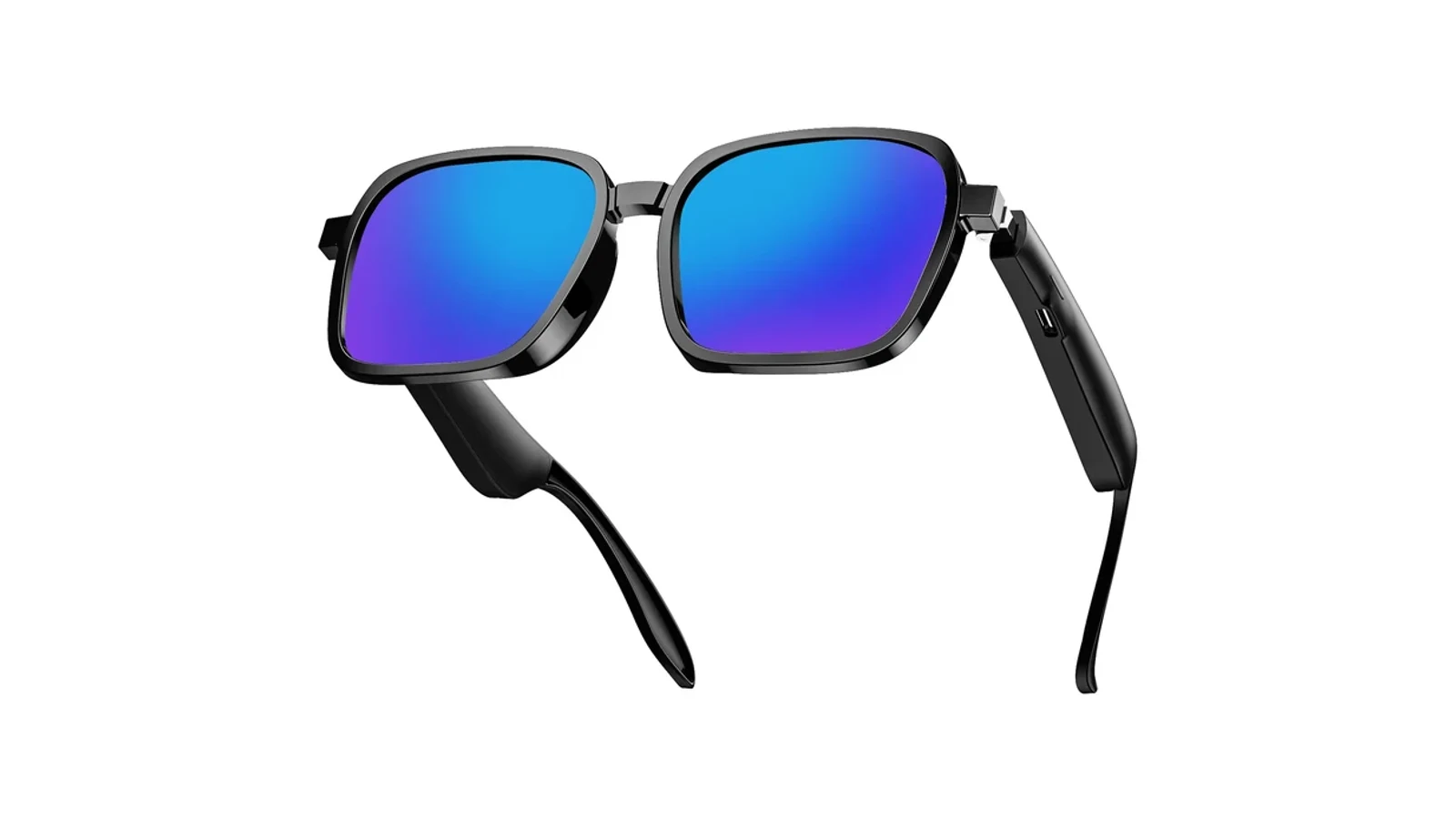
A smart glasses MOQ is set by configuration, not by supplier. A stock colourway cut from an existing mould is usually available at the lowest break point; a new frame colour, a custom lens tint, an engraved temple or a branded retail box each move the order into a higher tier, because each one either consumes a mould cycle or forces a minimum run of a purchased part. Before comparing prices, ask for the break point of every configuration you intend to sell, whether tooling is invoiced separately or amortised into the unit price, and which components stay the same across tiers. This guide sets out the cost blocks inside a glasses quotation and the questions that make two quotes comparable.
Key takeaways
- Quote the configuration, not the product name. Frame colour, lens, coating and packaging each carry a separate break point.
- Tooling is a one-time charge. Ask whether it is amortised into the unit price or invoiced on the first order.
- The electronics bill of materials usually changes less between tiers than the cosmetic parts do.
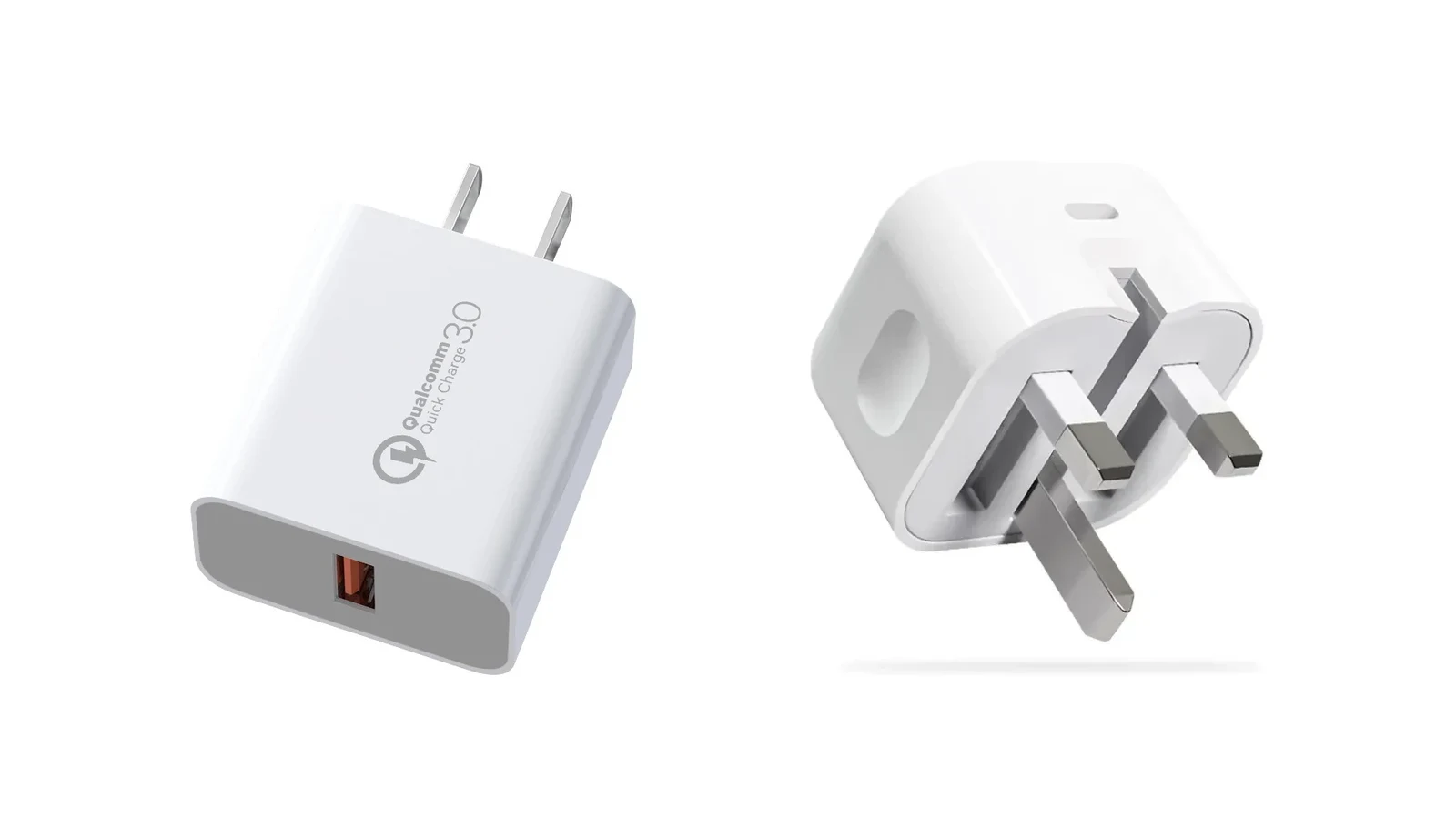
- Certification is charged per market and per configuration, so a new plug or a new radio module resets the file.
- Treat the first tier as a pilot run: validate hinge, audio leakage and real battery life before scaling.
Why one frame has three different MOQs
Two buyers can request the same model and receive MOQs that differ by a factor of five, and both quotations can be correct. The difference is what each buyer asked the factory to change.
A glasses SKU is assembled from four independent supply chains. The frame comes from a moulding and painting line. The lenses come from a coating house. The electronics come from a PCBA supplier working to a fixed panel size. The retail box comes from a printer with its own minimum run. Each of those four has a natural batch size, and the quoted MOQ is the largest of them for the configuration requested.
That is why "what is your MOQ" is not a useful opening question. "What is the MOQ for this frame in stock black, with our logo on the temple, in a printed box" is.
The four cost blocks behind a glasses quotation
| Block | What drives the cost | What changes the break point |
|---|---|---|
| Frame | Mould, paint or plating cycle, hinge assembly | New colour, new mould, soft-touch coating |
| Lens | Base curve, tint, coating, photochromic or prescription | Custom tint, Rx support, anti-blue-light stack |
| Electronics | PCBA panel utilisation, battery cell, camera module, speaker | New radio module, larger battery, camera sensor change |
| Packaging | Printing plate, die-cut, insert | Custom box, magnetic closure, accessory tray |
Moulded parts are the usual bottleneck. A frame colour that already runs on the line costs nothing to schedule; a new colour forces a minimum paint batch, because the line has to be cleaned and charged. That single fact explains most of the MOQ gap between a stock colourway and a "custom" one.
Electronics behave differently. Once a PCBA panel is tooled, a factory can build a modest number of boards without a new minimum — the constraint is component purchase, not assembly. This is why a buyer who changes only the frame colour often faces a much higher break point than a buyer who changes only the battery cell.
What a tier structure actually represents
Suppliers commonly quote in three blocks. The label matters less than what each block unlocks:
- Stock configuration — existing frame colour, existing lens, no logo, standard box. The lowest break point, and the only tier where a factory can usually ship from existing stock.
- Light customisation — logo on temple or lens cloth, custom box, accessory changes. Adds a printing or engraving minimum on top of the frame batch.
- Full customisation — new frame colour, new lens tint, custom firmware string, retail-ready packaging with inserts. Every block resets to its own minimum, and the quoted MOQ is the highest of them.
Ask for the break point of each block separately, in writing. A supplier who answers with a single number has either simplified the answer or intends to negotiate it later — either way you cannot plan a launch on it.
Where landed cost moves after the unit price
Unit price is the number buyers anchor on, and it is the least stable input in a glasses programme. Four items move landed cost after the quote is signed:
- Certification scope. A radio module needs its own approval file per market. Adding a market means adding a file, and a file is charged per configuration, not per order.
- Battery capacity. A larger cell raises unit cost and, in most markets, pulls the product into a different transport classification for lithium cells.
- Camera module. Sensor and lens stack cost more than the megapixel number suggests; stabilisation and low-light performance are where the money goes.
- Packaging weight. A heavy retail box changes carton quantity per master carton, which changes freight per unit even when the product is unchanged.
None of these appear in a one-line quotation. Ask for a bill of materials summary with the four blocks separated, then check which block your channel actually needs upgraded.
Sequencing a first order without over-committing
The practical sequence for a new glasses line is pilot, validate, then scale:
- Order the lowest viable configuration at the lowest break point — stock frame, stock lens, plain box.
- Test the three things that generate returns: hinge durability, audio leakage at typical listening volume, and real battery life at mixed use.
- Fix specification issues on the second run, before cosmetic customisation locks the tooling.
- Add logo, colour and retail packaging only after the electronics are stable.
Buyers who invert this order — going straight to a fully branded run — usually discover a specification problem on a batch they cannot rework, because the packaging and frame colour are already committed.
Making two quotes comparable
Two quotations are only comparable if they describe the same thing. Normalise them on these fields before comparing price:
- Frame colour and finish (stock or custom, and which Pantone reference)
- Lens type, tint and coating stack
- Battery capacity in mAh and cell type
- Camera sensor and whether stabilisation is optical, electronic or none
- Radio module and Bluetooth version
- Certification files included, and for which markets
- Packaging: plain, printed, or retail-ready with inserts
- Incoterm and whether tooling is included
A quote that is 15 percent cheaper usually differs on two or three of those lines. The exercise is not to find the cheapest quote; it is to find which specification you just gave up.
This guide describes how quotations are commonly structured and which specification items drive cost. It does not publish supplier prices, factory MOQ figures or market statistics — those change per configuration and per factory. Confirm the current break points, tooling terms and certification scope with the supplier in writing before committing an order.
Frequently asked questions
Is a lower MOQ always better for a first order?
Not automatically. A very low break point often means the configuration is limited to stock parts with no logo or custom packaging, which is fine for validation but cannot support a branded launch. Decide which stage you are in before optimising for the lowest number.
Should tooling be paid upfront or amortised into the unit price?
Both are used. Amortised tooling keeps the first invoice small but ties you to that supplier until the tooling is paid off, and it usually makes the unit price look higher than a competitor who invoices tooling separately. Ask for both figures — tooling cost and unit price with and without amortisation — then compare the total for the quantity you actually plan to buy.
Why does a new frame colour cost more than a new logo?
A logo is applied after moulding and does not interrupt the line. A new frame colour requires a paint or plating batch, which means cleaning and charging the line for a minimum run. That minimum is usually far above the number of units a logo change requires.
Can certification from one market be reused for another?
No. Each market has its own approval route and its own file. A CE declaration does not substitute for FCC or UKCA, and a radio module needs its own approval in each destination. Budget certification as a per-market line item, not a one-off.
Does a higher MOQ tier always mean a lower unit price?
Usually, but not always, because the tier also changes what is inside the product. A higher tier with a custom box and a larger battery can carry a higher unit price than a lower tier with stock packaging. Compare unit price only between quotes with identical specification lists.
Ready to shortlist suppliers?
Send your SKU list, target quantities and destination markets. We confirm current specifications, MOQ tiers, certification files and carton data before any order.